Block Crazy Robo World Craft
- 4.3
- Rating
- 50.00M
- Installs
- Free
- Price
 Analysis by App-foxy
I approached Block Crazy Robo World Craft expecting a straightforward block-building game, but what kept me playing was the way a small action can quickly turn into a visible result. I place blocks, reshape a space, test an idea, and then decide whether to improve it or start again somewhere else. That simple rhythm suits short visits as much as longer creative sessions.
This is a free simulation game from Prokids Studio, built around constructing and exploring a block-based world. Its audience is broad, although the Everyone 10+ rating suggests that younger players may still benefit from a parent checking the experience first. The game has reached over ten million installs and holds a 4.3 average from around ninety-one thousand ratings, which gives it a sizeable community without making popularity a substitute for personal taste.
My overall impression is that it works best when I treat it as a relaxed creative sandbox rather than a carefully guided adventure. It gives me room to make decisions, but that freedom also means I have to create my own reason to continue. If you enjoy building, experimenting, and returning to a project after a break, there is a lot to like here. If you need a strong story, precise long-term goals, or a tightly structured progression system, this may feel too open.
You May Also Like

 Blood Strike: 2.5 Anniversary
Blood Strike’s Loadouts Turn Every Drop Into a Tactical Gamble
A close look at Blood Strike’s custom loadouts: how fast access to signature weapons reshapes its battle royale rhythm, rewards preparation, and narrows the gap between fights.

 Pandora - Music & Podcasts
Pandora’s Music Is Easy to Start, but Harder to Recover
Pandora’s strength is its low-effort path from a seed to a station. Its weak spot is how much confidence it asks you to place in connection, setup, and quiet recovery.

 8 Ball Pool
 Is Built on Rivalries, Rematches, and Routine
A close look at the rivalries, rematches, shared routines, and unanswered safety questions that turn a quick pool match into a persistent mobile community.

 Samsung Music
’s Quiet Strength Is Playing What You Already Own
Its reach comes less from spectacle than from dependable access to a personal library. That simplicity is both the app’s strongest retention engine and its ceiling.

 AccuWeather: Weather Radar
AccuWeather Review: A Quick, Clear Forecast for Everyday Decisions
For everyday plans, the best forecast is the one you can understand quickly. AccuWeather makes rain timing, radar, and local conditions easy to act on, with a few trade-offs.

 Hill Climb Racing
Why Hill Climb Racing Still Turns Crashes Into One More Run
A tiny car, a bumpy hill and one more upgrade: Hill Climb Racing keeps resurfacing because its simple chaos makes every near-miss feel personal.
More From Our News Desk
View All News


What happens when I start building
The first useful action is not complicated: I enter the world and begin changing it. A block placed in an empty area immediately gives me feedback because the environment looks different. That may sound basic, but it is the foundation of the whole experience. I do not need to wait for a long introduction before seeing the point of the game; the building itself explains the purpose.
I found it more enjoyable to begin with a small project instead of attempting an enormous base immediately. A compact shelter, a stepped platform, or a simple room gives me a clear boundary. I can see whether the shape works, notice awkward gaps, and adjust without feeling that I have ruined hours of work. This is one of the most practical ways to approach the game: start with something that can be finished during one sitting.
The block-based presentation makes planning accessible. I can think in layers, corners, entrances, and open spaces rather than worrying about complicated construction tools. That simplicity is useful for players who want to create without learning a demanding editor. It also makes the game approachable on a phone, where overly detailed controls can become tiring quickly.
At the same time, the freedom places responsibility on me. The game does not automatically turn every construction into a meaningful objective. I have to decide whether I am making a home, a defensive-looking outpost, a display area, or simply an unusual landscape. That lack of pressure is relaxing, but it can also produce a flat first session if I enter without even a small plan.
Why the first few minutes matter
The opening phase is where I decide whether the game will become a creative tool or a brief curiosity. I recommend choosing a theme before placing too much: a compact town, a maze-like structure, a floating-looking build, or a practical base with separate areas. A theme gives each block a job. Without one, I tend to scatter pieces around and lose interest once the novelty fades.
Another useful habit is to build from the outside inward. I outline the footprint first, then add walls, openings, and interior details. This makes it easier to judge proportions on a small screen. When I decorate too early, I can end up with attractive details attached to a structure that does not function well as a whole.
That workflow is a genuine strength of the game because it rewards visual thinking rather than complicated resource planning. It is also a limitation for players who prefer a simulation to impose strict rules. Compared with more survival-focused alternatives, this experience feels less concerned with making every decision costly. The trade-off is clear: I get faster creative feedback, but less tension from each placement.
For a child or casual player, that can be a good balance. The game lets the player see cause and effect without requiring a large amount of reading. For an experienced sandbox fan, the same simplicity may feel shallow after the first burst of experimentation. I would judge it by the kind of satisfaction I want: immediate construction or a deeper chain of systems.
The action and its immediate feedback
The most satisfying moments come from making a small change and seeing the whole shape improve. Closing an awkward gap can make a room feel intentional. Raising one section can create a stronger silhouette. Adding a path between two areas can make a scattered build feel like a place rather than a pile of blocks.
I also learned to pause after each major layer instead of building continuously. Looking at the structure from a different position helps reveal uneven walls and cramped spaces. This is a simple technique, but it prevents the common problem of finishing a build that looked fine up close and confusing from a distance.
The feedback is visual more than numerical. I am not mainly chasing a score; I am judging whether the world looks and feels closer to my idea. That makes the game suitable for players who enjoy personal projects. It is less suitable for someone who needs constant rewards, rankings, or explicit missions to confirm that progress matters.
The rhythm that keeps another session possible
After the first construction, the game settles into a repeated rhythm: choose a small change, place or adjust blocks, inspect the result, and decide whether to continue. The reward is not always a new item or a dramatic event. Often, it is the moment when a rough area finally starts to look coherent.
I like that this feedback loop can operate at different speeds. In a short session, I can repair one wall, extend a path, or reshape a small room. With more time, I can connect several areas and give the world a stronger identity. The same basic action supports both styles, which makes the game easy to revisit when I only have a few minutes.
The loop becomes less satisfying when I build without a stopping point. Because the game is open-ended, I can keep adding blocks long after the original idea has been completed. That can be enjoyable, but it can also turn into aimless repetition. I get better results when I set a personal target such as finishing one building exterior or creating one route through the area.
The key trade-off is freedom versus momentum. Freedom lets me experiment without fear of failing a mission, while momentum usually comes from goals the game gives me. Here, I often need to supply those goals myself. Players who enjoy setting creative challenges will probably appreciate that control. Players who want the next objective clearly marked may find the loop loses energy.
A practical everyday scenario
Imagine having a short break during the day and wanting something more active than scrolling, but not something that demands full concentration. I can open the game, continue a small build, and stop after completing one visible task. Perhaps I extend a platform, finish a roofline, or make a route between two structures. The session has a beginning, a clear action, and a natural stopping point.
That makes the game useful as a casual creative reset. I am not required to remember a complicated storyline or prepare for a difficult competitive match. I can return to the same world and immediately see what needs attention. The downside is that a short session may feel less rewarding if I have no project in mind, so I prefer leaving myself an unfinished but clearly defined task before closing the game.
This approach also helps younger players avoid treating the game as an endless obligation. A simple plan such as “finish this room” is easier to understand than an unlimited building session. Parents looking for a calm creative activity may find that structure helpful, while still remembering that the age rating is Everyone 10+ rather than an unrestricted early-childhood classification.
How I turn building into a challenge
When the basic loop starts to feel repetitive, I create constraints. I might limit a project to one compact footprint, use a single visual idea, or design a structure that has a practical route from entrance to exit. These rules are not imposed by the game, but they make each decision more meaningful.
A particularly useful challenge is to build in stages. First I make a rough outline, then I improve the exterior, and finally I add a small area that gives the construction a purpose. This prevents me from spending the entire session on decoration. It also creates three separate moments of feedback, so the project feels active rather than like one long task.
Another technique is to leave deliberate empty space. Filling every area can make a world difficult to read. Open courtyards, paths, and gaps between structures give the eye somewhere to rest and make later additions easier. In a block-based game, restraint can be as important as adding detail.
These methods reveal one of the game’s less obvious strengths: it can support self-directed design practice. I am not only placing objects; I am learning to think about scale, composition, routes, and the relationship between a structure and its surroundings. That will not replace a full creative editor, but it gives the game more value than its simple controls might suggest.
Where the reward comes from
The reward is strongest when I can compare the current result with the starting point. An empty patch becoming a recognizable place creates a satisfying sense of ownership. Even a modest build can feel personal because I chose its shape and decided what to change next.
This is different from the reward structure in many conventional simulation games. Instead of mainly optimizing money, efficiency, or a numerical rating, I am optimizing an idea in my head. That makes success subjective. A player who wants to create something attractive may feel accomplished, while another player may wonder what they are supposed to achieve.
The game is therefore a better fit for relaxed builders than for players who measure progress through unlocks and milestones. I would not choose it as my first option for a structured management simulation. I would choose it when I want to make a place, experiment with shapes, and enjoy the visual difference between one moment and the next.
Why I reset the session instead of simply stopping
A good session usually ends when I reach a small milestone rather than when I run out of ideas completely. Finishing an exterior, connecting two areas, or solving an awkward layout gives me a clean pause. When I return, I already have a visible next step instead of facing a blank world.
The reset is important because open creative games can become tiring when every session feels identical. I try changing the scale of the task. One visit may focus on a single room; another may focus on the relationship between several structures. This keeps the same building tools from feeling like one unbroken repetition.
I also recommend taking a moment to inspect the finished section before leaving. That turns the end of a session into a review rather than an abrupt stop. I can notice what worked, identify the weakest area, and choose the next improvement. The result is a simple personal progression system built from observation rather than scores.
For players comparing this with familiar block-building alternatives, the decision comes down to depth and friction. A more elaborate sandbox may offer stronger survival pressure, richer systems, or a larger sense of progression. That can be better for players who want danger and long-term objectives. This game is more appealing when quick construction and low-pressure experimentation matter more than complexity.
Likewise, a dedicated creative editor may provide finer control for serious designers. I would choose such an alternative for a large, carefully planned project or for someone who wants advanced building precision. I would choose Block Crazy Robo World Craft for a lighter mobile experience where the distance between an idea and a visible block structure stays short.
Who should try it, and who should skip it
I think it is a good match for casual simulation fans, children and families within the stated age guidance, and anyone who likes making small visual projects on a phone. It is especially suitable for players who enjoy experimenting without worrying about failure. The free price also makes it easy to try without committing money first.
I would be more cautious about recommending it to players who need a campaign, a strong narrative, competitive goals, or a detailed economy. The open-ended format may leave those players asking what they should do next. It may also frustrate someone who wants every action to have a measurable consequence rather than a visual one.
The current version is 2013, and the game supports devices running Android 7.0 or later. That broad compatibility is helpful for people using older Android hardware, although the experience will still depend on how comfortable the device is with a block-based world. I would keep expectations realistic: compatibility makes installation possible, but it does not automatically make every phone equally pleasant for longer sessions.
Its release on March 16, 2025, places it among relatively recent entries in this style of mobile game. The developer, Prokids Studio, has clearly aimed at an accessible building experience rather than a niche tool for expert creators. That focus comes through in the quick feedback and the uncomplicated premise.
My verdict on the complete loop
The action is easy to understand: change the world one block at a time. The feedback arrives when a rough idea becomes a recognizable structure. The reward is personal ownership of what I created. The reset works when I finish a manageable milestone and return with a fresh project. That loop is simple, but it is coherent.
My main criticism is that the game depends heavily on the player bringing imagination and structure. Without a self-made goal, the session can lose direction. I also would not mistake it for a deep survival or management simulation; its appeal lies in accessible construction and exploration rather than demanding systems.
Still, I found the low-pressure format easy to return to. The game gives me enough freedom to make each session different, while the block-based format keeps the first action immediate. Its 4.3 average and large install base suggest that many players respond to that balance, though the best reason to try it is more personal: it is enjoyable if you like seeing a simple idea become a place.
My recommendation is straightforward: try it if you want a free, approachable creative sandbox with a quick action-to-result loop. Start with a small build, give yourself a theme, and leave a clear next task before closing. Skip it if you need a rich story, strict objectives, or advanced simulation depth. For the right player, another session begins not because the game forces it, but because the unfinished world makes one more improvement feel worthwhile.
FAQs for Block Crazy Robo World Craft
01What is Block Crazy Robo World Craft?
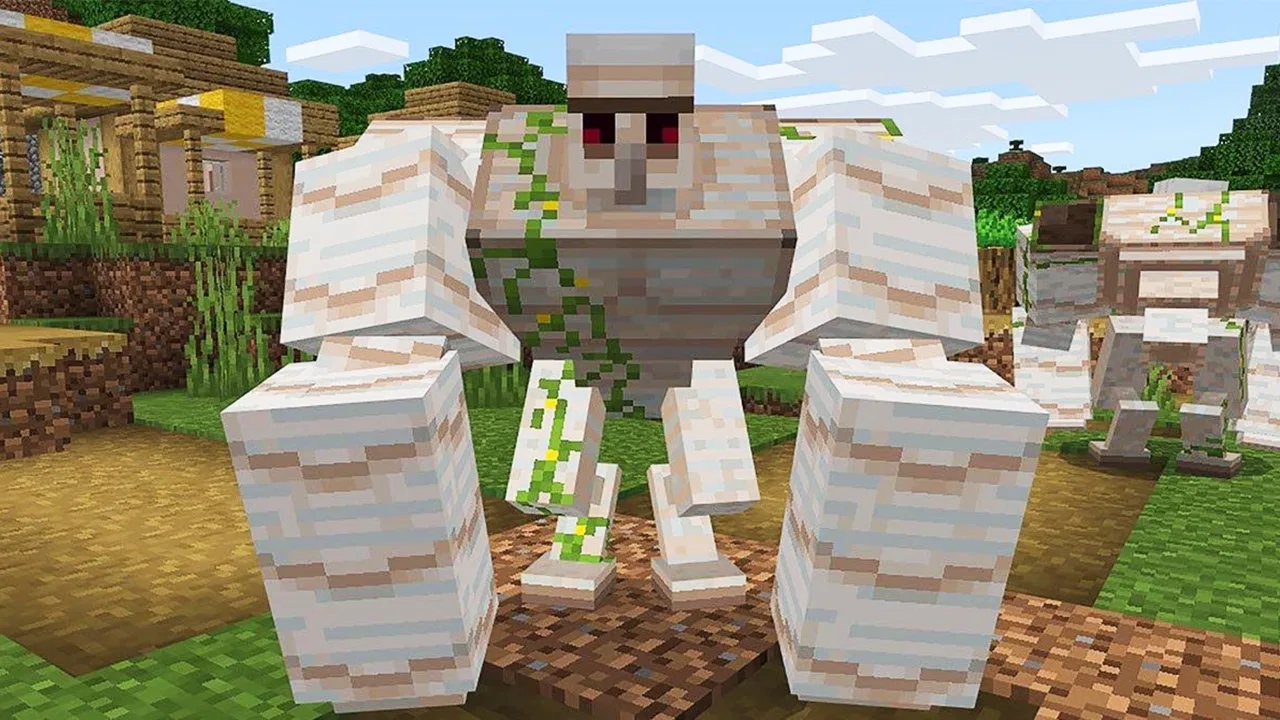
Block Crazy Robo World Craft is an engaging sandbox game that lets players explore and build in a block-based universe filled with robots and futuristic elements. It combines creativity with adventure, allowing users to craft structures, engage in battles, and explore diverse landscapes. It's available for both Android and iOS platforms.
02Is Block Crazy Robo World Craft free to play?
Yes, Block Crazy Robo World Craft is free to download and play. However, like many mobile games, it offers in-app purchases that can enhance gameplay. These purchases may include additional resources, skins, or other cosmetic items, providing players an opportunity to customize their experience further.
03What are the system requirements for Block Crazy Robo World Craft?
To enjoy Block Crazy Robo World Craft without any issues, users need a device running Android 5.0 or later, or iOS 10.0 or later. Adequate storage space is essential as the game requires frequent updates that can be sizable. A stable internet connection is also recommended for downloading updates and accessing online features.
04Does Block Crazy Robo World Craft support multiplayer mode?
Yes, Block Crazy Robo World Craft supports multiplayer mode, allowing you to connect and play with friends or other players online. This feature enhances the gaming experience by offering collaborative building projects, competitive battles, and social interactions within the game's universe.
05Are there any parental controls available in Block Crazy Robo World Craft?
Block Crazy Robo World Craft includes basic parental controls to ensure a safe gaming environment for younger players. Parents can manage in-app purchases and monitor online interactions. It’s advisable to regularly check these settings to align with your child’s gaming activities and ensure their safety.
Pros
- Intuitive controls for easy gameplay.
- Wide variety of building materials.
- Engaging multiplayer mode.
- Regular updates with new features.
- Optimized for smooth performance.
Cons
- Limited customization options.
- Occasional in-game ads.
- Requires constant internet connection.
- Some in-app purchases are pricey.
- Graphics may feel outdated for some.

Block Crazy Robo World Craft
Gallery